Choosing the Right Hiking Shoes for Your Next Adventure
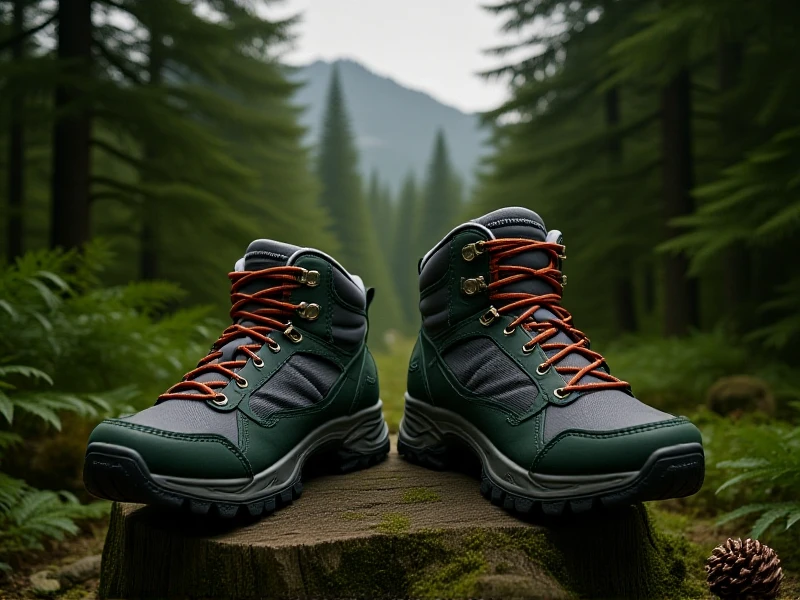
Hitting the trails offers unparalleled freedom, but conquering rugged terrain demands the right hiking shoes. Your choices in footwear significantly impact comfort, safety, and ultimately, your enjoyment. Understanding key features helps you navigate the diverse options and find the perfect pair for your outdoor pursuits.
The foundation lies in matching the hiking shoes to your intended terrain. For well-maintained paths and day hikes, lightweight trail runners or low-cut hiking shoes provide excellent flexibility and breathability. These prioritize agility and a natural feel underfoot. Moving to rocky, uneven surfaces, scrambles, or carrying a heavier backpack necessitates more support. Mid-cut or high-cut hiking boots offer crucial ankle stability, enhanced cushioning for impact protection, and robust outsoles for superior grip on loose or slippery surfaces.
Waterproofing is another critical consideration, especially for variable weather or wet trails. Most modern hiking shoes feature breathable waterproof membranes (like Gore-Tex®) that keep feet dry without excessive sweating. However, if you frequent hot, dry climates where ventilation is paramount, non-waterproof shoes offer better airflow, drying faster after stream crossings. Evaluate typical trail conditions before deciding.
Never compromise on fit. Your hiking shoes should feel snug but not tight, with ample room to wiggle toes, especially on descents. Remember, feet often swell during long hikes. Trying them on later in the day with intended hiking socks is essential. Walk on inclines in the store if possible; focus on heel security and absence of pressure points. Don’t be swayed solely by sizing labels– brand variations happen.
Durability and traction matter. Quality hiking shoes boast sturdy uppers (leather, synthetic, or blends) resisting abrasion. The outsole is paramount. Seek aggressive, multi-directional lugs made of sticky rubber compounds. Vibram® soles are renowned, but many brands offer high-performing proprietary rubber ideal for muddy roots, loose gravel, or smooth rock faces.
Prioritize a break-in period. Even the most comfortable hiking shoes benefit from shorter neighborhood walks before tackling challenging trails. This molds the footbed to your feet and softens materials, preventing blisters when distance matters.
Investing time in selecting the proper hiking shoes pays dividends on every trail. They are your connection to the ground, protecting your feet and empowering your adventures. Consider terrain, support needs, waterproofing, and above all, impeccable fit. Find your pair, venture forth, and explore confidently.