Finding Your Perfect Pair: Your Essential Guide to Hiking Boots
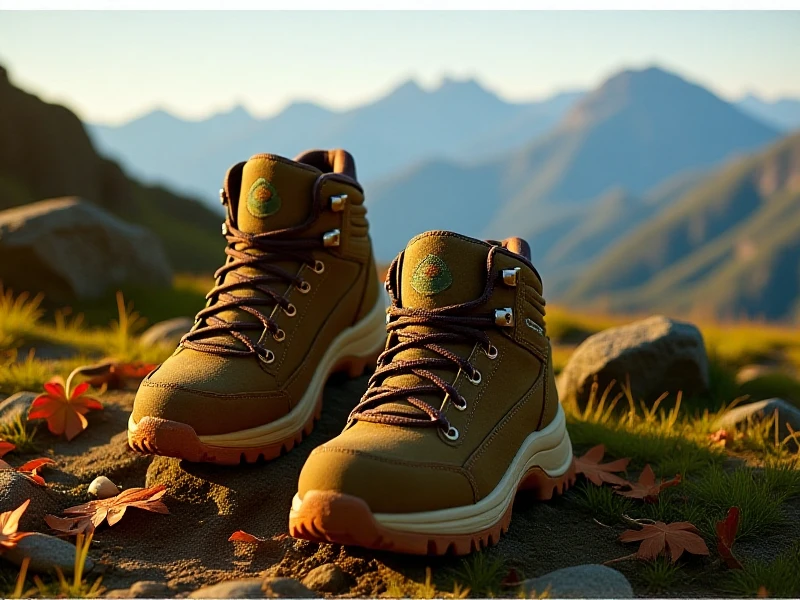
Hitting the trails? Don't let your feet hold you back! Choosing the right hiking boots is critical for comfort, safety, and maximizing your adventure. This guide breaks down what to look for in your next essential piece of gear.
Why Boots Matter Simply put, proper hiking boots protect and support your feet. They shield your soles from sharp rocks, offer crucial ankle stability on uneven terrain, provide reliable traction to prevent slips, and keep your feet dry and comfortable mile after mile. Wearing flimsy shoes isn't just uncomfortable; it increases injury risk.
Key Features to Consider:
-
Type of Boot:
- Low-Cut Hiking Shoes: Lightweight and flexible, ideal for well-groomed trails, light loads, and day hikes. Offer less ankle support.
- Mid-Cut Hiking Boots: The sweet spot for most hikers. Provide excellent ankle support and stability on varied terrain while offering better protection than low-cuts. Perfect for day hikes and moderate backpacking.
- High-Cut (Mountaineering) Boots: Maximum support and durability for technical terrain, heavy backpacks, and alpine adventures. Often stiffer and heavier.
-
Materials:
- Leather: Durable, naturally water-resistant (especially full-grain), molds to your foot over time. Can be heavier and require more breaking in.
- Synthetic (Nylon, Mesh): Lighter, breath faster, dry quicker, and often require less break-in. May offer less long-term durability than leather. Waterproof versions are common.
- Waterproof Membranes (Gore-Tex, etc.): Essential for wet conditions, creek crossings, or morning dew. Keep feet dry but reduce breathability slightly compared to non-waterproof options.
-
Support & Fit:
- Ankle Support: Crucial! Mid-cut boots typically provide the best balance for ankle stability without excessive stiffness.
- Fit: The MOST critical factor. Boots should feel snug but not tight, especially around the heel and midfoot. There MUST be wiggle room for your toes, especially on descents. Try them on in the afternoon as feet swell.
- Lacing Systems: Dial in the perfect fit for different parts of your foot.
- Stiffness: Determines torsional rigidity (twisting resistance). More stiffness offers better support under load and on rocky trails.
-
The Outsole:
- Traction: Look for deep, multi-directional lugs made by reputable brands like Vibram® for superior grip on dirt, mud, rock, and loose surfaces. Aggressive tread patterns are essential.
Essential Tips:
- Always Wear Hiking Socks: Use synthetic or wool blend socks designed for hiking to wick moisture and prevent blisters. Try your boots with the socks you'll hike in.
- Break Them In: Never wear brand-new boots on a long hike! Wear them gradually for increasingly longer walks around town. Blisters on trail day zero are miserable.
- Try Before You Buy: Sizes vary drastically between brands and even models. Visit a reputable outdoor retailer for expert fitting.
- Consider Your Terrain & Load: Match the boot's intended use to your planned adventures. Heavy backpacking demands sturdier boots than light day hiking.
Caring for Your Hiking Boots: Extend their life! Clean off dirt after hikes. Treat leather periodically with suitable conditioners. Allow them to air dry naturally – avoid direct heat. Store them in a cool, dry place.
Investing time in finding your perfect hiking boots pays off exponentially on the trail. Comfortable, supported feet mean you can focus on the breathtaking views, the fresh air, and the pure joy of hiking, rather than foot pain. Lace up the right pair and unlock your next adventure!