The Ultimate Guide to Choosing Your Perfect Pair of Hiking Boots
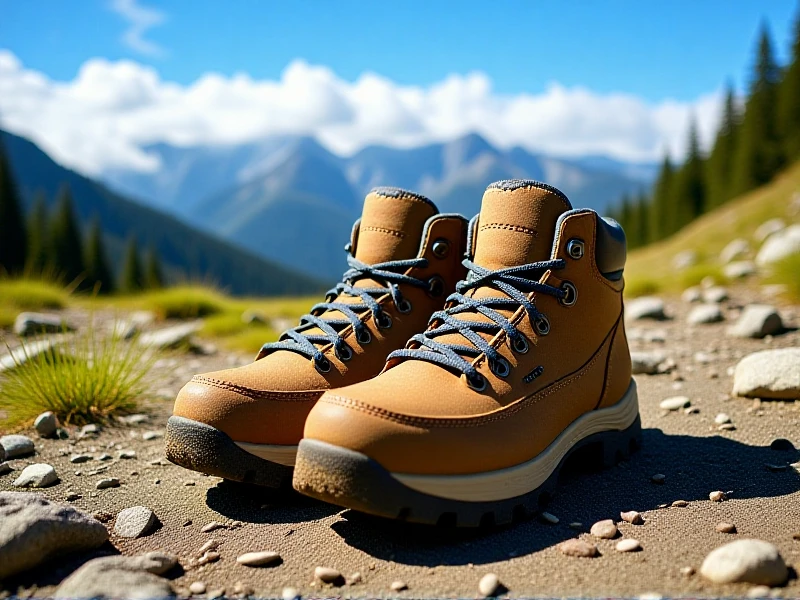
Finding the right hiking boots isn't just about style; it's about comfort, safety, and unlocking unforgettable adventures. With so many options, selecting the best pair for your needs can feel overwhelming. This guide cuts through the noise, helping you invest wisely in footwear that supports every step.
Why Your Hiking Boots Matter Your boots are your foundation on the trail. Ill-fitting or inappropriate footwear leads to blisters, fatigue, reduced stability, and even injuries. The right hiking boots provide essential ankle support on uneven terrain, reliable traction for slippery slopes, protection from rocks and roots, and critical waterproofing to keep your feet dry through streams or surprise downpours. Don't underestimate their role in your outdoor enjoyment and safety.
Key Selection Factors:
-
Terrain & Distance: Match the boot to your usual adventures.
- Lightweight Hikers/Trail Runners: Ideal for easy, well-maintained trails and day hikes with light loads. Flexible and quick-drying.
- Mid-Weight/Backpacking Boots: The most versatile choice. Offer excellent support and durability for moderate trails, multi-day hikes with a backpack, and varied terrain. Often feature waterproof membranes (like Gore-Tex).
- Mountaineering/Off-Trail Boots: Built for rugged, technical terrain, heavy loads, and demanding ascents. High-cut for maximum ankle support, stiff soles for stability on rocks, and extremely durable.
-
Fit: The Non-Negotiable: This is paramount.
- Shop in the afternoon when feet swell.
- Wear the socks you'll hike in (consider merino wool for moisture management).
- Ensure a snug heel, no slippage. Toes should have ample room to wiggle (about a thumb's width from the end) to prevent bruising on descents.
- Walk aggressively on an incline/decline in-store. Account for foot swelling during long hikes.
-
Ankle Support: Assess your needs. Low-cut boots offer freedom but less support; mid-cut balances support and flexibility; high-cut provides maximum stability for heavy loads or weak ankles.
-
Waterproofing: Essential if hiking in wet climates, crossing streams, or encountering dew. Brands like Gore-Tex are highly effective but can reduce breathability slightly. For hot, dry trails only, non-waterproof, breathable boots might be preferable.
-
Traction: Look for deep, multi-directional lugs on the outsole. Vibram outsoles are renowned for durability and grip, but many brands offer excellent proprietary soles. Ensure the pattern looks aggressive enough for your terrain.
Essential Care for Longevity: Protect your investment! Clean boots after hikes, removing mud and debris which degrade materials. Dry them naturally (never near direct heat) – remove insoles to speed the process. Apply leather conditioner or fabric protector regularly, especially after cleaning or before extended storage. Re-treat the waterproofing membrane periodically as per the manufacturer's instructions.
Choosing the perfect hiking boots is an investment in countless safe, comfortable, and joyful miles on the trail. Prioritize fit, match the boot to your hiking style, take time to try different models, and maintain them well. Your feet (and your adventures) will thank you. Research top hiking boot brands to find reputable models that align with your needs, and remember to break new boots in gradually before tackling big days. Happy trails!